

Rant Casino Games in Everyday Life
Here, adult players in Germany see how to sensibly use the offer, payments, limits, and game tempo on the platform.


Bonuses & Promotions
100% up to 500€
+ 200 Free Spins

55% up to 150€
+ 100 Free Spins

50% up to 500€

Up to 25%
Every Monday

Table of Contents
About Rant Casino
| License | MGA / Curaçao |
|---|---|
| Games | 2,000+ |
| Min. Deposit | $10 |
| Withdrawal | 24–72 hours |
| Support | 24/7 Live Chat |
Game Providers








How Rant Casino Slots Control The Entry

Anyone who doesn't want to click aimlessly on a casino platform will first look at the entry point. It is often decided there whether an evening begins calmly and orderly or seems hectic after just a few minutes. A good starting area not only shows many titles but also sorts them so that you quickly understand what currently fits your intention.
Imagine you only open the offer for twenty minutes after work. Usually, players are not looking for an endless catalog then, but a short path: open account, check balance, select a familiar area, get started. That's why slot machines need clear filters, a usable search, and categories that really separate instead of just having different names.
Why Rant Casino Quests Work For Everyday Goals
Task formats work well when they don't feel like coercion. They provide a framework for many players, especially on days when you don't just want to jump in randomly. Instead of browsing through every category, you can start with a clear goal and then consciously stop.
Imagine a typical situation: You have a fixed budget, but still don't want to end the evening too early. Many adult users then set small stages for themselves - first complete a task, then check the account balance, then decide again. This creates structure, and precisely this structure often helps more than any big advertising slogan.
What Rant Casino Megaways Changes About Game Tempo
Multi-way slot machines are appealing to many players because visually more happens per round and decisions feel emotionally faster. This can be entertaining, but requires a different look at your own tempo. Where classic formats tend to run evenly, the perception here more easily tips into dynamics.
When you are tired in the evening and still want to start a session, you notice the difference particularly clearly. Most players then prefer to go for a fixed plan: set amount, take intermediate steps, then check again. This maintains the appeal without losing the overview.
Account, Age, And First Steps In Germany
Before playing at all, everything starts with the account. For adult users in Germany, this means in practice: enter data cleanly, do not scatter access data between multiple devices, and check early where limits, breaks, and payment overview are located. Many later frictions do not arise during the game itself, but because these basics were skipped at the beginning.
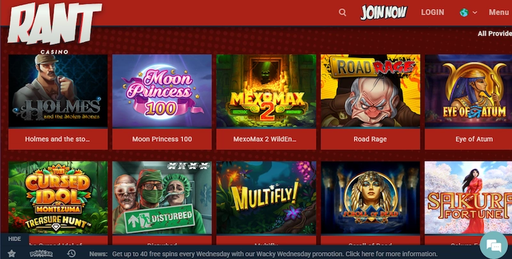
Imagine you register on the go on your smartphone and want to continue on your tablet in the evening. That's exactly when it shows whether the process is thought out cleanly. The age limit is just as important: the offer is aimed at adult players. Therefore, when creating an account, you should not only think about password and email, but also about self-protection and clear paths in your profile.
Area | What it's for | When it's practical |
Account Overview | Check balance, history, and personal data | Before the first deposit and after each session |
Cashier Area | Manage deposits, withdrawals, and payment methods | When money movements need to remain traceable |
Limit Menu | Set budget limits, breaks, and longer lockouts | Before a spontaneous round becomes a habit |
Help | Ask questions about process, testing or technology | If an action remains unclear or stalls |
How players set limits before the first round
Many players wait with limit settings until after the first deposit. The opposite is more practical. If you take three minutes before starting to define the daily limit, session length, and maximum loss, you will play more calmly later. This situation is typical: the first round is underway, attention is already on the result, and only then do you realize that your own limit was not set anywhere.
Popular Games









How players find the right area
Not every session needs the same selection. Sometimes you just want to quickly open a familiar slot machine, sometimes you want to specifically test new titles, sometimes you prefer to compare the table game section in peace. A platform only seems mature when it respects these differences and doesn't force every intention into the same stream of banners and submenus.
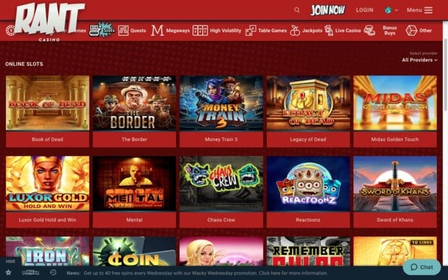
Imagine you only have a small time window between two appointments. Then a cluttered start screen doesn't help, but clear logic does: recently played, bookmarked, sorted by type, quickly back to the account. Players act pragmatically in such moments. They don't want a show, but orientation.
Those with more time look differently. Then speed, betting feel, interface, and readability are compared. That's why clean navigation is more than just cosmetics. It saves energy and prevents wrong decisions that arise only from impatience.
Payments, withdrawals and clean processes
As soon as money is involved, the perspective changes. Players then pay less attention to colors or animations and more to clarity. How do I get to the cashier? Which steps follow one after another? Where do I see if a transaction has been recorded? It is precisely at these points that it becomes clear whether a platform works in everyday life.
Imagine you deposit a moderate amount after a long workday. Many users rightly expect a short, clean process: select amount, confirm method, recognize status, done. Anything else costs concentration that is missing later during gameplay.
The same applies to withdrawals, only stricter. Those who want to send money back to their own account pay more attention to order, verification, and traceability. Clean profile data, a consistent payment method, and a calm look at the history help more here than any spontaneous reaction.
How adult users recognize the cashier area
In the best case, you recognize the cashier area immediately: not hidden, not playful, not squeezed between advertising spaces. If you as a player have to try several sub-items first, the risk of error increases. Users usually act very directly here - they want to pay, check a withdrawal, or read the history. That's precisely why this area should be built like a tool and not like a distraction.
What practically helps with checks and approvals
Checks are part of money movements, even if they may seem annoying at the moment. Consistency primarily helps practically. Use the same data as in your profile, don't constantly switch between methods without reason, and check again before submitting whether everything is readable and complete.
Imagine the usual stressful situation: you want to complete the step quickly because the session is already running or the evening is ending soon. That's exactly when unnecessary mistakes happen. Players usually do better if they separate the cashier and the game - finish cleanly first, then switch back to the entertainment.
Bonuses, tasks and clear daily goals
Bonuses often sound like an extra, but for many players, they are primarily a matter of classification in everyday life. What's in it for me today? Do I have to change my usual pace for this? Does it fit my budget or just distract me? These questions are more useful than any spontaneous yes.
Imagine you actually only wanted to plan a short round, but suddenly see several notices about promotions and daily goals. Normally, the best decision is not to take everything, but to filter. What supports my plan - and what only extends it? This separation makes the difference between conscious use and drifting gameplay.
Many adult players do well by treating bonus mechanics as an addition, not a starting point. First comes your own framework, then the question of whether a promotion even fits.
How small missions keep focus
Small missions can be helpful if they organize an evening instead of inflating it. A typical example: you set a clear goal, complete it, and then end the session regardless of the result. This way, the task becomes a marker, not a lure. It only becomes problematic when a small intermediate goal creates the urge to immediately grab the next one.
Support, breaks and self-protection in 2026
In 2026, players rightly expect help not to be hidden somewhere. If you have a question, you want to ask it at the right moment - not only when frustration has already built up. This applies to technical issues, payments, and account questions, but equally to self-protection functions like timeouts or longer blocks.
Imagine you realize in the middle of a session that your concentration and mood are tipping. Then quick access to a break is more valuable than any additional round. Good platforms don't make this step complicated. Those who formulate their request to support calmly, state the time and context, and briefly check the history beforehand, usually get a usable solution faster.
When a timeout brings more than continuing to play
A timeout is particularly useful when you are no longer staying because of the game itself, but only because of the last decision. This happens more often than many admit. You want to balance a round, confirm an assessment, or regain a sense of control. That's exactly when distance helps. Imagine consciously closing the session for a few hours or days. This short interruption often has a stronger effect than any attempt to play reasonably in the midst of unrest.
How players use feedback without the rush
Not every difficulty is a major problem, but many small frictions add up. If navigation is unclear, a field is misleadingly labeled, or a history remains difficult to read, factual feedback is worthwhile. It works best without the rush: short description, specific moment, clear question. This way, players not only help themselves but often also improve the process for later sessions.
Player rhythm, device choice and real-world usage
Many texts about casino platforms pretend that all users play the same way. In reality, it's exactly the opposite. Some open the offer briefly on their mobile phone in the morning, others for longer on their tablet in the evening, still others switch between two devices and still expect the same overview of balance, history, and protection features. A platform must withstand this everyday reality.
Imagine starting on the go with a short session and checking the history again at home. Then it's not just about convenience, but about consistency. Categories should remain understandable on both devices, account access must feel equally logical, and important settings should not be visible in one place but hidden in another.
This also includes planning sessions realistically. A smartphone is more conducive to quick starts, a tablet to longer phases. Many adult users do this: on the small device, only short, limited rounds; on the larger one, more management, comparison, and a calmer process. This simple separation is surprisingly effective.
Why short sessions need different rules
Short sessions feel harmless because they start small. That's precisely why they often need clearer rules. If you only plan ten or fifteen minutes, your budget, goal, and exit should be set before the first round begins. Typically, control is lost not in long, but in short, improvised phases – because you think it's just a quick look.
What adult players check before switching devices
Before switching from your phone to a larger device or back, a quick check is worthwhile: Is the history visible, are open money transactions completed, is the account secure, and do the set limits still fit the rest of the day? This minute may seem unspectacular, but it saves stress. Imagine continuing on the second device simply because you are sure of what has already happened.
Frequently Asked Questions
It's usually fastest if you don't start with the complete offer, but first define your purpose. Do you just want a short session, want to open something familiar, or really compare? Many adult players waste time by browsing categories without a goal. It's more practical to first look at recently used areas, bookmarked titles, or clearly named subgroups.
In most cases, it makes more sense to check offers after your own plan. Those who react directly to every promotion quickly shift their focus from budget to the interface. It's better to first clarify the betting limits, time window, and goal, then see if a promotion fits. This way, a bonus doesn't become a trigger for a longer session.
More important than the deposit itself are the steps before it. Check if your profile is completely filled out, if the cashier area seems understandable, and if you can quickly find limits or breaks. Imagine depositing first and then realizing that important settings are hidden somewhere. Then the session starts with unease.
A break is often sensible when the game itself is no longer the focus, but rather the need to correct a previous decision. Those who notice that their pace, mood, or concentration is tipping should take it seriously. Then distance almost always brings more than an additional round. A short interruption may be enough, but sometimes a longer block is the better choice.
You're most likely to maintain an overview if you pause briefly when switching devices. Check your balance, history, open transactions in the cashier area, and the set limits. Many problems arise not from the second device, but from missing transitions between two sessions. Those who take this minute use their phone and tablet much more calmly.
Support is useful when information is missing, a money transaction remains unclear, or an account function behaves differently than expected. Not every minor issue requires immediate help, but for payments, access, protection features, or contradictory status displays, early inquiry is worthwhile. It's best to briefly describe what happened, on which device it occurred, and what you have already checked.
A short session is most sensible when it is limited even before the start. Set the amount, approximate duration, and the clear endpoint – for example, after completing a task, after a fixed time, or after a predetermined loss. Those who plan even small rounds usually play more calmly and stop on time.